
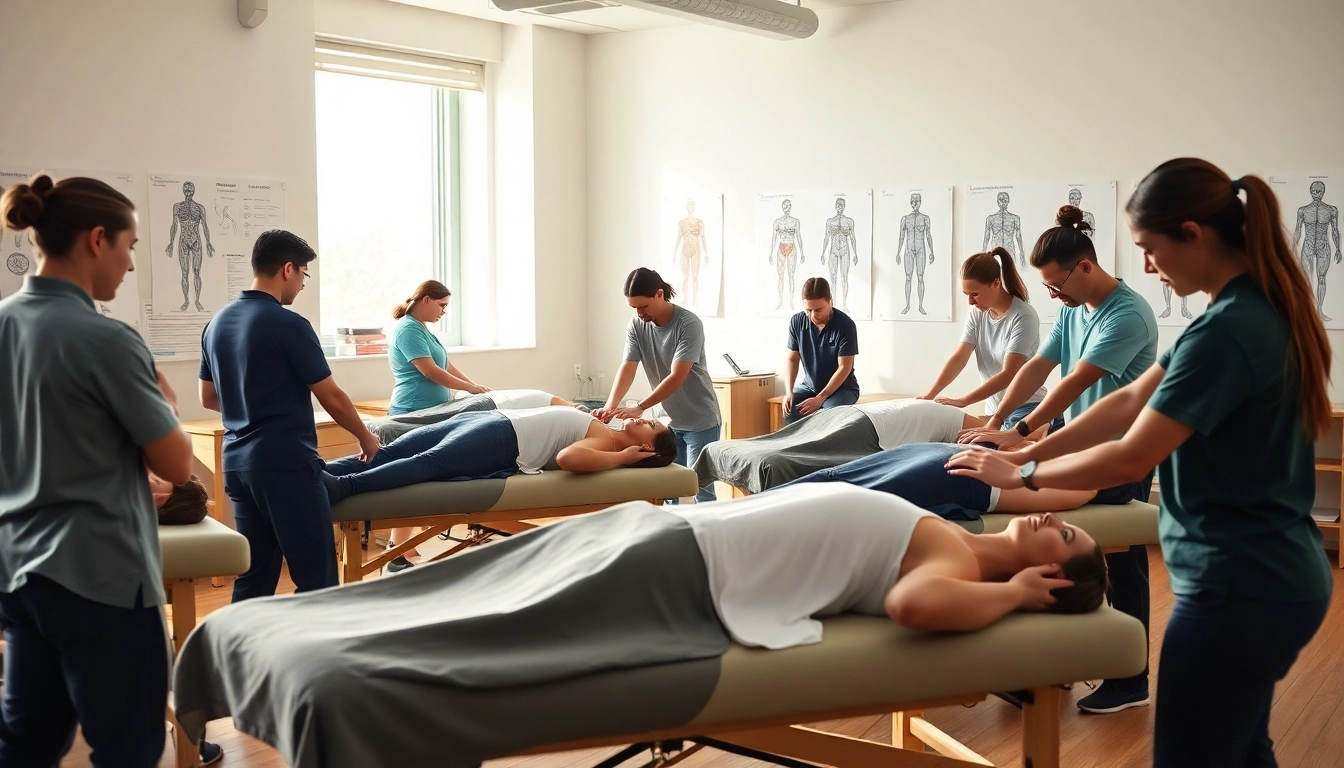
Introduction to Sports Massage Courses
In today’s fast-paced world, maintaining optimal physical health and performance is crucial, especially for athletes. Sports massage has emerged as an essential component in the training and recovery process, helping athletes to alleviate pain, prevent injuries, and enhance performance. Understanding the significance of specialized training in this field is vital for both aspiring and professional therapists. As the demand for skilled practitioners continues to rise, enrolling in a reputable Sports massage course can provide a solid foundation in essential techniques and theories.
The Importance of Sports Massage for Athletes
Sports massage offers numerous benefits to athletes at all levels. It aims to enhance athletic performance by improving circulation, alleviating muscle tension, and promoting flexibility. Regular sessions help in recovering from intense training, as they reduce soreness and improve healing time. Additionally, sports massage plays a preventative role by addressing muscle imbalances, which can lead to overuse injuries.
Key Benefits of Attending Sports Massage Courses
Engaging in a sports massage course equips practitioners with the necessary skills to effectively assist athletes. Participants learn specialized techniques that address specific aches, pains, and injuries common in sports. The courses also emphasize a thorough understanding of human anatomy and physiology, enabling therapists to create personalized treatment plans. Furthermore, certification from a recognized program can elevate a practitioner’s status and credibility within the wellness community.
Overview of the RSM Sports Massage Course Curriculum
The RSM International Academy offers an extensive curriculum designed for professionals seeking to master sports massage techniques. The coursework covers three core subjects: Trigger Point Therapy, Deep Tissue Massage, and Dynamic Myofascial Release. These courses are enriched with practical sessions and theoretical knowledge, ensuring that participants gain hands-on experience while understanding the underlying principles of each technique.
Understanding the Core Techniques of Sports Massage
To become proficient in sports massage, it is essential to understand the core techniques that address various muscular and skeletal issues in athletes. Below, we delve into three primary techniques taught in the RSM Sports Massage courses.
Trigger Point Therapy: A Deep Dive
Trigger Point Therapy focuses on identifying and releasing tight areas within muscles, known as trigger points, which can cause referred pain in other parts of the body. This technique is invaluable for athletes who experience localized pain due to muscle overuse or injury. Participants in the course learn how to assess and treat these points effectively, using specific manual techniques aimed at pain relief and muscle relaxation.
Dynamic Myofascial Release: Techniques Explained
Dynamic Myofascial Release is designed to enhance range of motion and reduce muscular tension by targeting the fascial system. This technique incorporates stretching and mobilization to improve soft tissue function and alleviate restrictions. During the RSM course, students practice integrating this method into their treatment protocols, ensuring a comprehensive approach to healing.
Integrating Sports Medicine Principles into Massage
Understanding sports medicine principles is crucial for any massage therapist working with athletes. RSM’s curriculum emphasizes integrating these principles into massage therapy, focusing on biomechanics, injury prevention, and rehabilitation. By applying sports medicine knowledge, therapists can tailor their treatments to the specific needs of their clients, ultimately enhancing recovery and performance.
Advanced Training for Professional Development
For experienced practitioners, advanced training sessions and workshops provide opportunities to refine skills and learn cutting-edge techniques. RSM offers specialized workshops designed for massage therapists, physiotherapists, and sports trainers aiming to expand their expertise in sports massage.
Specialized Workshops for Experienced Practitioners
Advanced workshops at RSM cover topics such as orthopedic assessment, advanced soft tissue techniques, and dynamic posture training. These sessions encourage participants to explore contemporary research and methodologies in sports massage, ensuring therapists remain competitive and effective in their practice.
Utilizing Evidence-Based Practices in Sports Massage
Evidence-based practice is a cornerstone of all RSM courses. By relying on the latest research in sports medicine and massage therapy, practitioners are trained to apply techniques that are proven to be effective. This strong emphasis on evidence-based approaches enhances both the therapist’s confidence and the client’s results.
Career Advancement Through Certification and Continuing Education
Certification from a recognized massage therapy program can significantly enhance a practitioner’s career. RSM International Academy provides certification upon course completion, allowing graduates to demonstrate their skills and knowledge in a competitive job market. Many employers prefer candidates with specialized training in sports massage, making this certification a valuable asset.
Real-World Applications and Case Studies
Real-world experience and case studies are essential for understanding the practical implications of sports massage techniques. RSM integrates practical applications into its courses, allowing students to learn from real-life situations encountered by experienced practitioners.
Success Stories from RSM Sports Massage Course Graduates
Many graduates of the RSM Sports Massage Course have reported significant improvements in their practice and client satisfaction. Testimonials highlight transformations in athletic performance and recovery times due to enhanced massage techniques learned at RSM. These success stories serve as motivation for new students entering the field.
Case Study: Injury Prevention Through Sports Massage
A notable case study involves an athlete suffering from chronic knee pain due to repetitive strain. Following a comprehensive assessment, RSM-trained therapists implemented a targeted massage regimen utilizing Trigger Point Therapy and Deep Tissue Massage. Within weeks, the athlete reported significant pain relief and improved mobility, showcasing the effectiveness of specialized sports massage techniques in injury prevention.
Client Testimonials: The Impact of Professional Massage Skills
Feedback from clients who have undergone treatment from RSM graduates often reflects a greater understanding of their bodies and improved overall well-being. Many express appreciation for the personalized care they received, highlighting how the therapists’ knowledge in sports massage techniques played a critical role in their recovery and performance enhancements.
Future Trends in Sports Massage Education and Techniques
The field of sports massage is continuously evolving, influenced by advancements in technology, research, and client expectations. Staying ahead of these trends is crucial for any practitioner aiming for long-term success.
Emerging Technologies in Massage Therapy
Innovations such as virtual reality training, biofeedback devices, and teletherapy are starting to shape the landscape of massage therapy. RSM is keen on integrating these technologies into their curriculum to prepare students for the future of sports massage and rehabilitation.
Shifts in Client Demands and Sports Massage Practices
Today’s clients are more informed and demand tailored approaches that cater to their unique needs. As athletes continue to seek holistic and preventive care, sports massage practitioners must adapt their techniques to align with these preferences. This requires ongoing education and training in current practices, ensuring that therapists remain equipped to meet their clients’ evolving needs.
Preparing for the Future: Skills for 2026 and Beyond
As the industry progresses, therapists must cultivate skills that extend beyond traditional massage techniques. Understanding nutrition, mental wellness, and the psychological aspects of recovery will be critical in the coming years. The RSM Academy prepares its students to be well-rounded professionals capable of addressing the varied needs of their clients, ensuring they remain competitive in a rapidly changing field.