
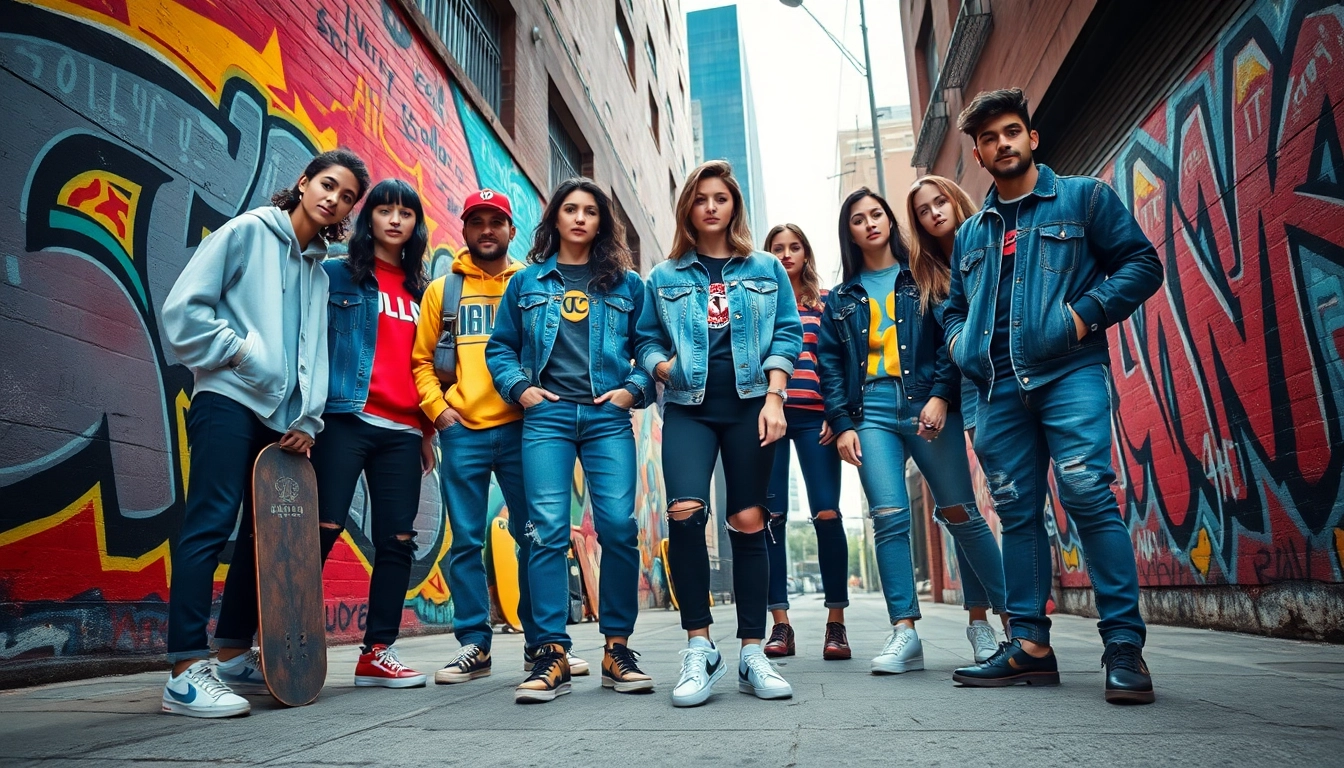
Understanding Streetwear Clothes: Origins and Evolution
Streetwear has become a massive cultural phenomenon, transcending its humble beginnings to influence fashion, music, and lifestyle globally. This unique style blends elements from various influences, including skate culture, hip-hop, and high fashion, offering a distinct aesthetic that resonates with today’s youth. The roots of streetwear lie in the urban landscapes of Los Angeles and New York City, where counter-cultures emerged in the 1980s and 1990s, shaping the styles we see today. For those looking to dive deeper into the world of streetwear clothes, understanding its evolution is crucial.
The Roots of Streetwear Culture
Streetwear originated from various subcultures, particularly skateboarding and hip-hop. Designers like Shawn Stüssy and brands like Supreme played pivotal roles in defining the aesthetic, drawing influence from punk rock, graffiti art, and the DIY ethos prevalent among artists of those eras. These roots informed not just the clothing styles but also the ideologies surrounding community, individuality, and self-expression.
How Streetwear Has Evolved Over the Years
As streetwear gained popularity, it began to evolve into a multi-faceted industry. In the early 2000s, collaborations between streetwear brands and high-fashion houses blurred the lines between casual wear and haute couture. Notable examples include the partnership between Comme des Garçons and Nike. Today, streetwear is recognized on global runways, and its influence extends to fast fashion, illustrating its significant place in contemporary fashion culture.
Key Influencers in the Streetwear Scene
Various designers, artists, and celebrities have shaped the streetwear landscape. Figures such as Virgil Abloh, Kanye West, and Pharrell Williams have not only contributed to design but have also defined the cultural narratives surrounding streetwear. Their unique visions have helped solidify streetwear as a dominant force in fashion, merging art and commerce in innovative ways.
Defining Features of Streetwear Clothes
Streetwear is recognized for its distinctive aesthetic, characterized by a variety of materials, textures, and graphic designs. Understanding these defining features is essential for anyone looking to embrace this style.
Materials and Textures: What Makes Streetwear Unique?
One of the hallmarks of streetwear is its use of high-quality materials that offer both comfort and style. Fabrics like cotton, denim, and fleece are common, often combined with unique textures such as ripstop nylon or heavy-duty canvas. This focus on materials not only enhances durability but also adds a tactile element to the overall appearance.
Graphic Designs: The Art of Expression in Clothing
Graphic designs are crucial to streetwear, serving as a form of art and communication. Often featuring bold slogans, intricate illustrations, or cultural references, these graphics allow wearers to express their identities and beliefs. Collaborations with street artists and graphic designers have further popularized this aspect, as brands seek to infuse their clothing with deeper meanings and stories.
Signature Accessories and Footwear Trends
Accessories and footwear play a significant role in streetwear fashion, often elevating a basic outfit to statement level. Sneakers, in particular, have become iconic within the streetwear community, with brands like Nike and Adidas releasing limited edition collaborations that create a frenzy among collectors. Additionally, hats, bags, and jewelry often complement streetwear clothing, allowing for personal expression and style mixing.
Shopping for Streetwear Clothes: Where to Find the Best Styles
As the streetwear movement continues to grow, so do the options for shopping. Finding the right pieces can be both exciting and overwhelming, but knowing where to look can simplify the process.
Top Online Retailers for Streetwear Brands
Numerous online retailers specialize in streetwear, offering everything from high-end collaborations to affordable options. Websites like Culture Kings, Tillys, and Karmaloop provide extensive selections that cater to various tastes and budgets. Additionally, these platforms often engage in exclusive partnerships that showcase limited-run items, making them must-visit destinations for streetwear enthusiasts.
Local Boutiques and Pop-Up Shops
In addition to online shopping, local boutiques and pop-up shops often carry unique streetwear items that may not be available elsewhere. These boutiques frequently focus on independent and emerging brands, allowing shoppers to discover fresh styles and support local businesses. Attending events and markets specifically dedicated to streetwear can also yield exciting finds.
Understanding the Resale Market for Streetwear
The resale market has become a significant aspect of the streetwear ecosystem, where limited-edition drops can sell out in minutes. Platforms like StockX and Grailed allow users to buy and sell sneaker and clothing items at varying price points, creating a dynamic marketplace. Understanding resale value and market trends can be beneficial for those looking to invest in their wardrobe or sell pieces they no longer want.
Styling Tips: How to Wear Streetwear Clothes
Wearing streetwear is all about personal expression and creativity. Here are some styling tips to help you create unique outfits that reflect your personal style.
Mixing and Matching for a Unique Look
Streetwear thrives on the principle of mixing various styles and influences. Don’t be afraid to pair oversized tees with tailored pants or rock a streetwear hoodie with a classic trench coat. Layering different textures and patterns can also create visually stunning outfits that stand out.
Layering Techniques for Different Weather
Layering is a key technique in streetwear styling, allowing you to adapt your outfit for changing weather conditions. For cooler days, consider adding a bomber jacket over a graphic hoodie, and for warmer weather, opt for light, breathable fabrics. Accessories like beanies or caps can also add a layer of style while serving a functional purpose.
Creating Outfits for Various Occasions
Streetwear is versatile and can be styled for various occasions, from casual outings to more formal events. For casual settings, a combination of joggers and a statement t-shirt works well. For a night out, consider adding sleek sneakers and a tailored jacket to elevate your look. Understanding how to dress up or down streetwear pieces is essential for making the style work for you.
The Future of Streetwear Clothes: Trends to Watch for 2026
The streetwear industry is continually evolving. Keeping an eye on emerging trends can help enthusiasts stay ahead of the curve and look fresh in their choices.
Emerging Designers and Brands in the Market
As streetwear grows, new designers are constantly entering the scene, offering innovative visions and fresh takes on style. Emerging brands often push the boundaries of traditional streetwear, incorporating sustainable practices and unique design philosophies. Following these new players can introduce you to exciting new styles and perspectives.
Technology and Sustainability in Streetwear Production
With a growing awareness of environmental issues, the streetwear community is increasingly focusing on sustainable practices. Brands are exploring eco-friendly materials and manufacturing processes, leading to a rise in consciousness about the environmental impact of clothing. This trend is expected to continue as sustainability becomes a core principle of future designs.
Predictions for Streetwear Aesthetics in the Coming Years
Looking ahead to 2026, streetwear aesthetics are likely to embrace more inclusivity and diversity. Expect to see a blend of styles that cross cultural boundaries, with influences from global street fashion becoming more prominent. Additionally, technology such as augmented reality may play a role in how consumers interact with streetwear, from virtual try-ons to the integration of digital fashion.